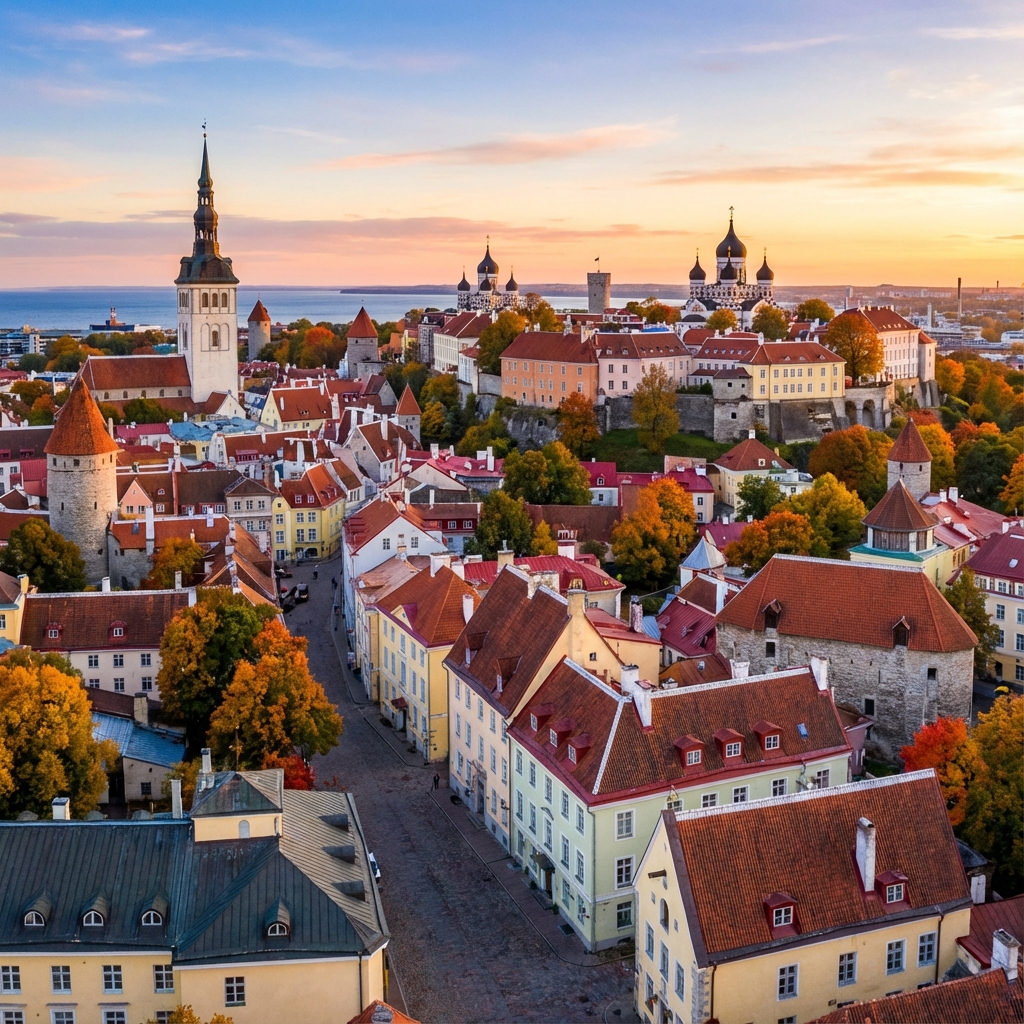
🏙️ Neighborhood Guide: Where to Explore
Vienna is organized into 23 districts, each with its own character:
- Innere Stadt (1st District): The historic center, a UNESCO World Heritage site. Home to St. Stephen’s Cathedral, Hofburg Palace, and elegant shopping streets. Pedestrian-friendly and perfect for walking.
- Leopoldstadt (2nd District): The former Jewish quarter, now trendy with the Prater amusement park, trendy cafés, and the Danube Canal. More affordable and authentic.
- Neubau (7th District): The hip, artistic district with galleries, boutiques, and excellent restaurants. Popular with young Viennese and expats.
- Josefstadt (8th District): Elegant residential area with beautiful architecture, quiet streets, and local cafés. Experience Vienna like a local.
- Wieden (4th District): Trendy area near the Naschmarkt (food market), with excellent restaurants and vibrant atmosphere.
🏰 Top Attractions for 2026
- Schönbrunn Palace: The magnificent former imperial summer residence, a UNESCO World Heritage site. Explore the palace, gardens, and the world’s oldest zoo. - Pro Tip: Book tickets online in advance. Visit early morning or late afternoon to avoid crowds. The gardens are free to explore.
- St. Stephen’s Cathedral (Stephansdom): Vienna’s iconic Gothic cathedral in the heart of the city. Climb the South Tower for panoramic views.
- Hofburg Palace: The former imperial palace, now home to museums, the Spanish Riding School, and the Austrian National Library. Allow several hours to explore.
- Belvedere Palace: A stunning Baroque palace complex housing the world’s largest collection of Gustav Klimt paintings, including ‘The Kiss’.
- Vienna State Opera: One of the world’s leading opera houses. Book tickets well in advance, or try standing room tickets (Stehplätze) for affordable access.
- Naschmarkt: Vienna’s most famous food market, perfect for sampling local specialties, fresh produce, and international cuisine.
☕ Coffee House Culture: A Viennese Institution
Vienna’s coffee house culture is UNESCO-listed intangible cultural heritage:
- Traditional Coffee Houses: Visit Café Central, Café Sperl, or Café Landtmann for the authentic experience. Order a Melange (Viennese cappuccino) and stay as long as you like.
- Coffee House Etiquette: Coffee houses are for lingering. Order coffee, read newspapers (provided), and enjoy the atmosphere. No rush.
- Pastries: Try Sachertorte (chocolate cake), Apfelstrudel (apple strudel), or Topfenstrudel (cheese strudel) with your coffee.
🎵 Classical Music Heritage
Vienna is the capital of classical music:
- Concerts: Attend performances at the Vienna State Opera, Musikverein (home of the Vienna Philharmonic), or smaller venues.
- Mozart & Beethoven: Visit Mozart’s House or Beethoven’s apartment. Many churches offer free classical concerts.
- Vienna Philharmonic: The world’s most prestigious orchestra. Tickets are extremely difficult to obtain—book months in advance.
🍽️ Culinary Scene: From Schnitzel to Fine Dining
Viennese cuisine combines Austrian, Hungarian, and Czech influences:
- Classic Dishes: Try Wiener Schnitzel (breaded veal cutlet), Tafelspitz (boiled beef), or Goulash at traditional restaurants.
- Heurigen: Traditional wine taverns in the outskirts (especially Grinzing) serving local wine and simple food. A unique Viennese experience.
- Markets: Visit Naschmarkt for food stalls, or Brunnenmarkt for a more local experience.
- Fine Dining: Vienna has several Michelin-starred restaurants, especially in the 1st district.
🚇 Practical Tips: Getting Around
- Public Transport: Vienna’s public transport (U-Bahn, trams, buses) is excellent and efficient. Get a Vienna Card for unlimited travel and discounts.
- Walking: The historic center is compact and best explored on foot. Many attractions are within walking distance.
- Biking: Vienna has an extensive bike-sharing system (Citybike Wien) and bike lanes throughout the city.
- Best Time to Visit: Spring (April-June) and fall (September-November) offer pleasant weather. Summer can be warm, winter can be cold but magical with Christmas markets.
- Language: German is the official language, but English is widely spoken, especially in tourist areas.
❓ FAQ: Visiting Vienna
How many days do I need in Vienna? At least 3-4 days to see the main attractions. A week allows for deeper exploration, day trips to nearby Wachau Valley or Bratislava, and time to soak in the atmosphere.
Is Vienna expensive? Vienna can be moderately expensive, especially for accommodation and dining. However, there are budget options: free museums on first Sundays, affordable public transport, and traditional Heurigen for inexpensive meals.
Do I need to book attractions in advance? Yes, especially for Schönbrunn Palace, Vienna State Opera, and popular concerts. Book online in advance to avoid disappointment.
🌄 Day Trips from Vienna
Vienna’s central European location makes it an excellent base for exploring the surrounding region:
- Wachau Valley (90 minutes west): A UNESCO World Heritage stretch of the Danube River flanked by terraced vineyards, medieval castles, and baroque monasteries. Melk Abbey — perched above the river like a theatrical set piece — is one of Austria’s most magnificent baroque buildings. The apricot orchards in blossom (late March–April) are legendary; the Grüner Veltliner and Riesling wines are superb year-round. Cycle the 36 km path from Melk to Krems for the definitive Wachau experience.
- Bratislava, Slovakia (1 hour): The Slovak capital is an easy 60-minute train or boat journey from Vienna, making it one of Europe’s most accessible capital city day trips. Bratislava’s compact Old Town, hilltop castle, and dramatically lower prices compared to Vienna make for a satisfying half-day excursion. Evening in Bratislava before returning to Vienna is particularly enjoyable.
- Wienerwald (Vienna Woods): The forested hills immediately west of the city that inspired countless Romantic-era compositions. Hiking trails from Baden and Klosterneuburg wind through dense beech and oak forest, emerging at panoramic viewpoints over the Viennese basin. The spa town of Baden bei Wien — 30 minutes south — offers thermal baths and elegant 19th-century architecture.
- Esterházy Palace, Eisenstadt (1 hour south): The magnificent baroque palace where Joseph Haydn spent 30 years as court composer for the Esterházy family. The Haydnsaal (concert hall) is one of the most beautiful small concert venues in Europe, and occasional performances are still held in the room where Haydn himself conducted. The adjacent Burgenland wine region produces excellent reds.
🎭 Vienna’s Events Calendar
Vienna’s cultural calendar is among the densest in Europe:
- Vienna Philharmonic New Year’s Concert (January 1): Broadcast to 90 countries, this is the world’s most watched classical music event. Tickets are allocated by lottery years in advance — but watching it live from a café or the giant screen in the Rathausplatz is a genuinely festive experience.
- Vienna Ball Season (January–March): The Viennese Fasching (carnival) season produces over 300 formal balls, from the legendary Opera Ball (February, held in the Vienna State Opera house with its floor panels temporarily covering the stalls) to specialist balls for doctors, lawyers, and coffee house workers. Attending one — even a minor one — is a uniquely Viennese experience.
- Christmas Markets (late November–December): Vienna’s Christkindlmarkt in front of the Rathaus is the most famous, but the markets in the Spittelberg quarter (more artisanal), at Schönbrunn (most picturesque), and at the Belvedere (most atmospheric after dark) each have their own distinct character. The combination of mulled wine (Glühwein), roasted chestnuts, and imperial architecture in snow is genuinely magical.
- Donauinselfest (June): Europe’s largest open-air festival — free entry, three days, multiple stages on the artificial island in the Danube. Over 3 million visitors attend annually for rock, pop, folk, and electronic music. A remarkable display of Vienna’s other, non-classical musical identity.
💡 Insider Vienna Tips
- Standing Room at the Opera: Standing room tickets (Stehplätze) at the Vienna State Opera go on sale 80 minutes before each performance for €3–13. Queue from about 2 hours before the box office opens. You’ll be on your feet for 3 hours, but you’ll be watching the Vienna Philharmonic in one of the world’s great opera houses for the price of a coffee.
- Free Sunday Museums: The Kunsthistorisches Museum, Natural History Museum, and other major state museums offer free entry on the first Sunday of each month. Arrive early to beat the queues that inevitably form.
- The Naschmarkt Secret: The famous Saturday flea market that extends the length of the Naschmarkt beyond the regular food stalls is one of Vienna’s best bargain-hunting experiences — antiques, records, books, vintage clothing, and curiosities at negotiable prices.