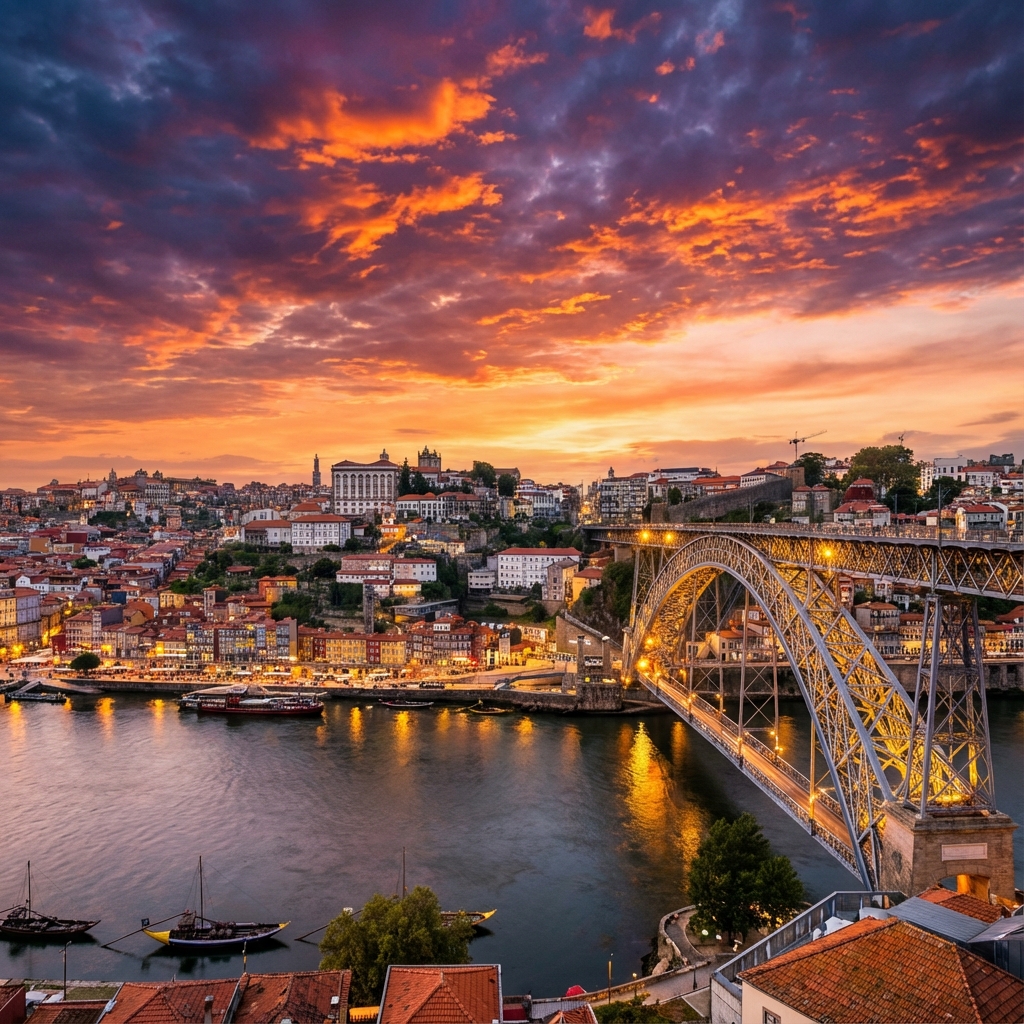
🏰 Edinburgh’s Historic Crown Jewels
Edinburgh is a living museum where every street corner tells a story of Scotland’s rich and dramatic history.
- Edinburgh Castle: Perched atop Castle Rock, this iconic fortress has guarded the city for over 900 years and houses the Scottish Crown Jewels and the Stone of Destiny.
- The Royal Mile: This historic thoroughfare stretches from Edinburgh Castle to the Palace of Holyroodhouse, lined with shops, pubs, and attractions.
- Palace of Holyroodhouse: The official residence of the British monarch in Scotland, set against the dramatic backdrop of Arthur’s Seat.
🏔️ Edinburgh’s Natural Wonders
Beyond the historic center lies a landscape of volcanic hills, serene lochs, and coastal scenery.
- Arthur’s Seat: An ancient volcano offering spectacular views and a moderate hike to the top. Perfect for sunset watching.
- Holyrood Park: 650 acres of wild landscape within the city, featuring Salisbury Crags and the ruins of St. Anthony’s Chapel.
- Calton Hill: Another volcanic hill with monuments including the National Monument and Nelson Monument, offering city views.
🎭 Festival City & Cultural Hub
Edinburgh is synonymous with festivals, from the world-famous Edinburgh Festival Fringe to literary celebrations and cultural events.
- Edinburgh Festival Fringe: The world’s largest arts festival, featuring thousands of shows across comedy, theatre, and performance arts.
- Edinburgh International Festival: A prestigious arts festival showcasing international performers in music, theatre, and dance.
- Scottish National Gallery: Home to masterpieces by Scottish artists and international collections from Rembrandt to Monet.
🥃 Scotch Whisky & Scottish Cuisine
Edinburgh is the perfect base for exploring Scotland’s national drink and sampling traditional Highland cuisine.
- Whisky Tours: Visit The Scotch Whisky Experience or take a tour of Edinburgh’s historic pubs for tastings and whisky education.
- Scottish Pub Culture: Experience traditional pubs serving local ales, whiskies, and hearty Scottish fare like haggis, neeps, and tatties.
- The Devil’s Advocate: Edinburgh’s oldest pub, dating back to 1770, offering a cozy atmosphere and excellent whisky selection.
🏘️ Edinburgh’s Neighborhoods
Edinburgh’s geography divides it into dramatically different areas, each with its own character:
- Old Town: A UNESCO World Heritage Site, the medieval heart of Edinburgh tumbles down from Castle Rock in a tangle of narrow closes (alleyways) and tenements. The Grassmarket was once a marketplace and place of public execution; today it’s lined with pubs, boutiques, and street performers.
- New Town: Built in the 18th century as a solution to Old Town’s overcrowding, Edinburgh’s Georgian New Town is one of the best examples of neoclassical urban planning in Europe. Elegant terraces, independent shops, and stylish restaurants line Princes Street and George Street.
- Leith: Edinburgh’s historic port district, once infamous for poverty and drugs (immortalized in Irvine Welsh’s novel Trainspotting), has been dramatically transformed. Today the Shore area is home to some of Edinburgh’s finest restaurants — including multiple Michelin-starred establishments — alongside independent galleries and a thriving craft beer scene.
- Stockbridge: A charming village-within-the-city feel, with an excellent Sunday market, independent bookshops, delicatessens, and café culture alongside the Water of Leith walkway.
🎭 Edinburgh’s Festival Season
Every August, Edinburgh undergoes a remarkable transformation into the world’s biggest arts festival. The city’s entire population essentially doubles as performers, audiences, and media descend from across the globe:
- Edinburgh Festival Fringe: The world’s largest arts festival, with over 3,500 shows across 300+ venues from stand-up comedy to experimental theatre. The Royal Mile becomes a continuous outdoor performance space, and the sheer energy of the city during Fringe is unlike anything else in Europe.
- Edinburgh International Festival: The more formal counterpart to the Fringe, featuring world-class opera, dance, and orchestral performances at major venues including the Usher Hall and the Festival Theatre.
- Edinburgh Art Festival: Running alongside the Fringe, this celebrates visual arts with exhibitions across the city’s major galleries and artist studios.
- Hogmanay: Scotland’s legendary New Year celebration transforms Edinburgh’s streets into one of the world’s greatest parties. The Torchlight Procession, street parties, and the Loony Dook (a mass swim in the Firth of Forth on New Year’s Day) are unmissable traditions.
🌄 Day Trips from Edinburgh
Edinburgh is the perfect base for exploring the wild beauty of Scotland:
- Scottish Highlands: The gateway to the Highlands, with destinations like Glencoe (2.5 hours by bus) offering some of the most dramatic mountain scenery in Europe. Loch Ness is 3 hours north by car.
- St. Andrews: The home of golf and a historic university town with a ruined cathedral and sandy beaches. Just 90 minutes by bus.
- Rosslyn Chapel: Famously featured in The Da Vinci Code, this 15th-century chapel with its extraordinary stone carvings is just 30 minutes south of Edinburgh by bus.
- Stirling: Home to Stirling Castle (rival to Edinburgh Castle in historic significance) and the Wallace Monument. Just 50 minutes by train.
🚇 Practical Tips: Edinburgh Smart Travel
- Getting Around: Edinburgh is very walkable for the central areas, but the steep hills can be challenging. The city has excellent Lothian Bus services and an expanding tram line connecting the airport to the city center and beyond.
- Public Transport: Lothian Buses cover the city comprehensively and are very affordable. Day tickets offer unlimited travel. Consider an Edinburgh Pass for attraction entry discounts and transport benefits.
- Currency: Scotland uses the British Pound (GBP). Cards are universally accepted throughout the city.
- Accommodation: Edinburgh’s Old Town and New Town are both excellent bases. Book very far in advance if visiting during August (Fringe season) — accommodation fills a year ahead and prices are significantly higher.
- Best Time to Visit: August for the extraordinary festival atmosphere; June-July for pleasant weather and long daylight hours (the sun sets after 10pm in midsummer). December and January for atmospheric winter markets and Hogmanay celebrations.
❓ FAQ: Visiting Edinburgh
How many days do I need in Edinburgh? Allow at least 3 days to see the main highlights comfortably. Five days allows you to explore the neighborhoods properly and take a day trip to the Highlands or St. Andrews.
Is Edinburgh expensive? Less so than London, but prices have risen in recent years. Accommodation and restaurant meals are where costs add up most. The city’s many excellent free museums (including the National Museum of Scotland and the Scottish National Gallery) help offset expenses considerably.
How do I get to Edinburgh? Edinburgh Airport (EDI) connects directly to cities across Europe, North America, and beyond. The airport tram runs directly to the city center in around 30 minutes. Fast trains also connect Edinburgh to London (4.5 hours), Glasgow (50 minutes), and cities across England.