
🏰 Gaudí’s Architectural Wonders: Modernist Magic
Barcelona is synonymous with Modernisme, and Antoni Gaudí is its patron saint. In 2026, several long-term restoration projects are reaching completion, offering fresh views of his masterpieces:
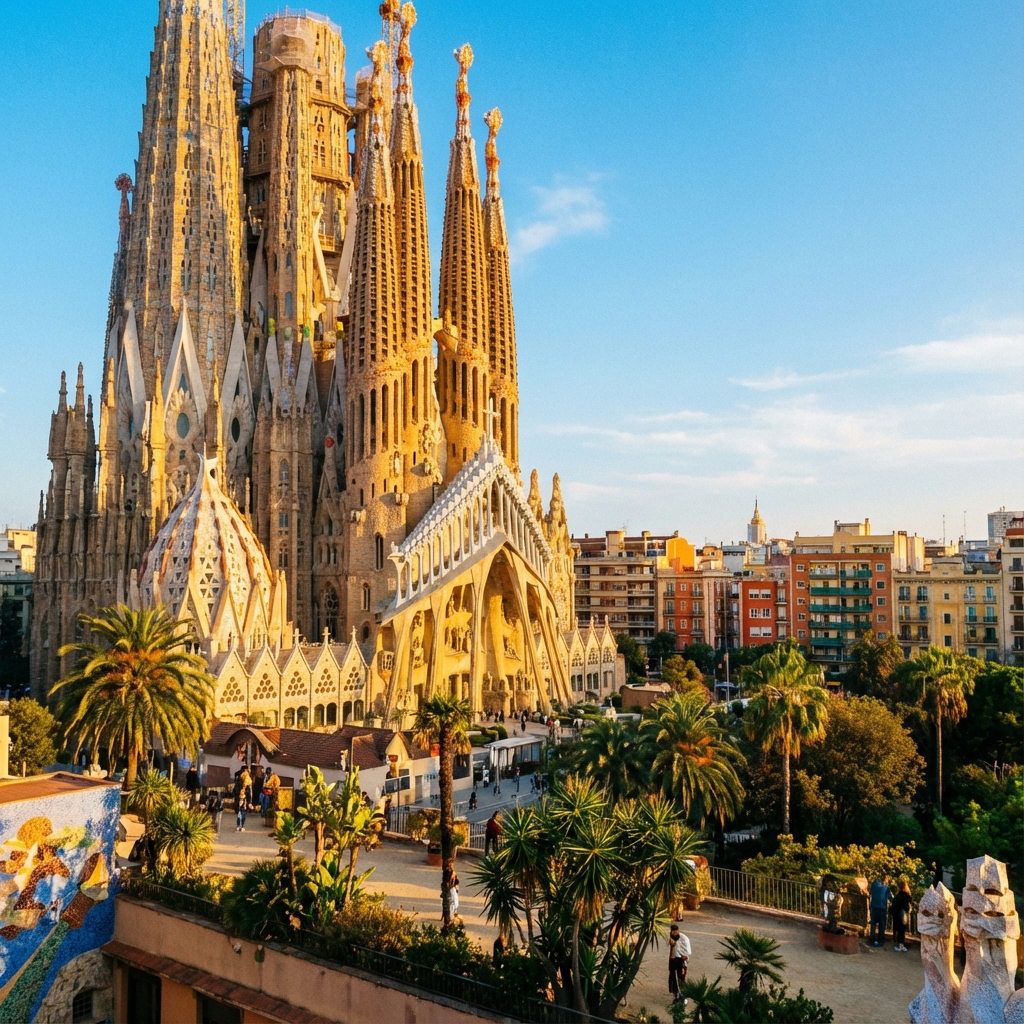
- Sagrada Família: The eternal masterpiece. As it nears its final stages of construction, the interior ‘forest’ of columns and stained glass is more breathtaking than ever. The new towers offer panoramic views of the entire city. Pro Tip: Book your tickets at least 3 weeks in advance and visit at sunset when the light creates magical effects through the stained glass.
- Casa Batlló & Casa Milà (La Pedrera): These residential buildings on Passeig de Gràcia represent the height of Gaudí’s organic imagination. The rooftop chimneys of La Pedrera resemble colorful knights from a fairy tale. Don’t miss the underground exhibit showing Gaudí’s original workshop.
- Park Güell: A mosaic-filled fantasy land with incredible views of the city. Walk beyond the monumental zone to the ‘Three Crosses’ for a quieter sunset experience. The park is particularly magical during the annual Sonar Festival when it becomes an open-air electronic music venue.
- Casa Vicens: Gaudí’s first major work, recently restored and opened to the public. This colorful ceramic masterpiece shows the evolution of his architectural style.
🥘 Catalan Gastronomy: From Paella to Pintxos
Catalan cuisine is a proud blend of mountain and sea (Mar i Muntanya). Skip the tourist traps on Las Ramblas and seek out authentic flavors that reflect Barcelona’s diverse cultural influences:
- La Boqueria Market: While famous, it’s best visited before 9 AM to see the real market life. Try the fresh orange juice stands and the chocolate con churros from the historic Churrería Laietana. For a less crowded experience, try Mercat de Santa Caterina with its stunning wave-shaped roof designed by Enric Miralles.
- Tapas & Pintxos: Explore the Carrer de Blai in Poble-sec for affordable and creative pintxos (Basque-style snacks on sticks). Try the patatas bravas at La Bombeta or the inventive combinations at experimental bars in the Sant Antoni neighborhood.
- Traditional Catalan: Look for ‘Can Culleretes’ (Barcelona’s oldest restaurant, established 1786) or ‘7 Portes’ for classic dishes like Escudella (Catalan stew), Calçots (grilled spring onions) during season, or fresh seafood paella. For contemporary takes, visit Disfrutar (3 Michelin stars) where former elBulli chefs create innovative Catalan cuisine.
- Modern Barcelona Fusion: The city’s culinary scene blends traditional Catalan ingredients with global influences. Try the Korean-Catalan fusion at Kimchi House or the Michelin-starred creativity at Lasarte.
🏙️ Neighborhood Guide: Beyond the Gothic Quarter
While the Gothic Quarter (Barri Gòtic) is essential, Barcelona’s magic lies in its diverse ‘barrios’ that showcase different facets of Catalan culture:
- Gràcia: Once a separate village, it maintains a small-town feel with lively plazas, street art, and boutique shops. It’s the best place for a local vibe. Explore the Park Güell neighborhood within Gràcia, and visit the Mercat de la Llibertat for authentic local shopping.
- El Born: A blend of medieval architecture and modern nightlife. Home to the Picasso Museum, the beautiful Santa Maria del Mar church (built by local craftsmen), and the trendy El Born shopping district. The neighborhood is particularly vibrant during festival season.
- Poblenou: The former industrial heart, now a hub for design studios, tech startups, and the city’s quietest city beaches like Bogatell. The Rambla del Poblenou is lined with innovative restaurants and cocktail bars. Visit the Can Framis Museum for contemporary Catalan art.
- Eixample: The grid-planned extension of the city, home to most Gaudí works. Stroll the wide boulevards, admire the perfect alignment of buildings, and experience the contrast between the formal façades and the colorful interiors typical of Catalan modernism.
- Montjuïc: The hill overlooking the city offers stunning views, the Magic Fountain (especially spectacular at night), and the 1929 World’s Fair architecture. The Montjuïc Castle provides panoramic views and houses a military museum.
🏖️ Beaches & Coastal Life
Barcelona’s coastline offers more than just sunbathing - it’s a way of life:
- Barceloneta Beach: The main beach, lively and perfect for people-watching. Try the fresh churros from beach vendors or seafood at the historic xiringuitos (beach bars).
- Bogatell & Nova Icària: Quieter, more local beaches with better swimming conditions. The wooden walkways and volleyball courts make them ideal for active beach days.
- Sant Sebastià & Somorrostro: Hidden coves that feel like secret discoveries. Accessible by steep stairs or the cable car from Montjuïc.
- Beach Clubs & Xiringuitos: Try Can Robert or Agua for upscale beach club experiences, or stick to traditional xiringuitos for authentic local beach culture.
🎭 Culture & Nightlife: Flamenco to Futurism
Barcelona’s cultural scene is as diverse as its architecture:
- Flamenco: Experience authentic flamenco at Tablao Cordobés or smaller venues in the Gothic Quarter. For a more modern take, visit flamenco fusion shows that blend traditional rhythms with contemporary music.
- Sardana Dancing: Join locals in the traditional Catalan circle dance in Plaça de Sant Jaume, especially on Sundays. It’s a beautiful way to experience Catalan cultural identity.
- Nightlife: From the beach clubs of Barceloneta to the cocktail bars of El Born, Barcelona offers diverse nightlife. The Sant Antoni neighborhood has become a hub for creative nightlife with innovative bars and live music venues.
- Festivals: Don’t miss La Mercè (September), Barcelona’s biggest festival with parades, concerts, and fireworks, or Sonar Festival for electronic music innovation.
🎒 Practical Tips for 2026
- Transportation: The T-Casual card (10 rides for €11.35) remains the best value for getting around. The metro is efficient, but walking is often the best way to discover the city’s hidden corners. The new green lanes on major streets prioritize pedestrians and cyclists.
- Barcelona Card: Worth it if you plan many attractions. It includes public transport, museum entries, and even a hop-on hop-off bus. Available in 2, 3, 4, or 5-day versions.
- Safety: Pickpocketing is common in tourist areas like Las Ramblas and the Metro. Use money belts and be aware in crowded areas. The city has increased police presence in tourist zones for 2026.
- Language: Knowing basic Catalan phrases like “Bon dia” (good morning), “Gràcies” (thank you), and “Per favor” (please) goes a long way with locals, though Spanish and English are widely spoken.
- Tap Water: Barcelona’s tap water is perfectly safe to drink and comes from natural springs. Refill your reusable bottle at any public fountain.
- Best Time to Visit: Spring (April-June) and fall (September-November) offer pleasant weather and fewer crowds. Summers are hot but vibrant. Winters are mild but the city feels more local.
❓ FAQ: Visiting Barcelona
Is Barcelona safe for tourists in 2026? Yes, Barcelona is very safe for tourists. The biggest concern is petty theft (pickpocketing) in crowded tourist areas like Las Ramblas or the Metro. Use common sense, keep valuables secure, and avoid poorly lit areas at night.
How many days are enough for Barcelona? A minimum of 3 to 4 days is recommended to see the major Gaudí sites and soak in the atmosphere. 5 to 7 days allow for day trips to Montserrat or the Costa Brava, and a more relaxed exploration of neighborhoods.
Should I buy tickets in advance? Absolutely for popular attractions like Sagrada Família, Park Güell, and La Pedrera. Use the official websites to avoid long queues. Many attractions now offer timed entry slots.
Is Barcelona expensive? Barcelona offers good value compared to other Western European cities. Public transport is affordable, food can be inexpensive at markets, and accommodation ranges from budget hostels to luxury hotels.
Can I visit Gaudí sites for free? You can admire the exteriors for free, but interior visits require tickets. The Gothic Quarter and many streets featuring Gaudí’s work are free to explore.